
What Do Oil Prices Have to Do With Solar? More Than You Think

If your energy bills have crept up lately, you're not alone. Global markets have been unsettled for a while now — international tensions, supply chain disruptions, shifting demand — and UK households are feeling it in ways that can seem frustratingly disconnected from anything in their control.
But understanding why it's happening can actually point toward something you can do about it.
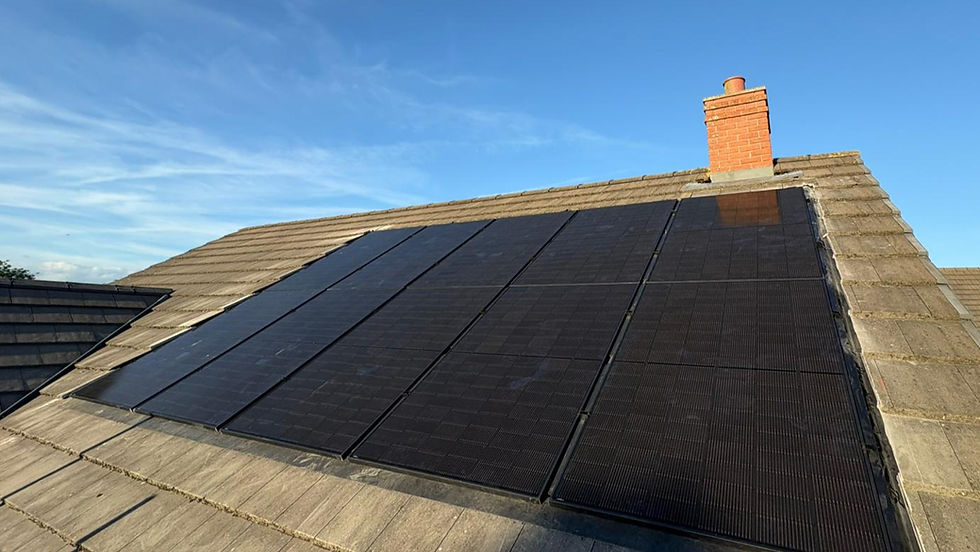
It's all more connected than it looks
Even if your home runs entirely on electricity, you're still exposed to the wider energy market. Here in the UK, electricity pricing is heavily influenced by wholesale gas and oil prices — it's just how our national grid is structured.
When prices rise due to global pressures:
The cost of producing electricity rises with it
Wholesale costs climb behind the scenes
Energy price caps adjust — and your bill goes up
The bill that lands on your doormat ends up reflecting decisions made in markets halfway around the world. Not exactly a comfortable position to be in — especially when the volatility shows no sign of settling down.

Why more UK homeowners are turning to solar
Solar has moved well beyond its "eco" reputation. For a growing number of households, it's simply a practical financial decision — a way to reduce how exposed you are to a market you have no influence over.
When you generate your own power, you use that first before drawing from the grid. On a good day, you may not draw from it much at all. Over time, that means:
Lower monthly bills — you're buying less from the grid
Real protection from price spikes — what happens on the news has less impact on your wallet
More predictability — you can actually budget long-term without dreading the next price cap announcement
It's worth being honest about what solar does and doesn't do, though. It won't make you completely grid-independent — most homes still rely on the grid during evenings and through the winter months, particularly without battery storage. But it does meaningfully reduce your exposure. And in an energy market that's become harder to predict, even a partial buffer makes a genuine difference.

So is now a good time to make the move?
There's rarely a perfect moment, but the direction of travel is fairly clear — energy markets are likely to remain volatile, and the case for generating your own power is only getting stronger. The sooner you're producing your own electricity, the sooner those savings start to stack up.
If you'd like to understand what solar could realistically look like for your home — what you might generate, what you might save, whether it suits your property — we're happy to have a chat with absolutely no obligation.
Get in touch
Email us: info@solarupgrades.co.uk
Call or message: 07441 369505
Short on time? Fill out our contact form and we'll get back to you when it suits you.


Comments